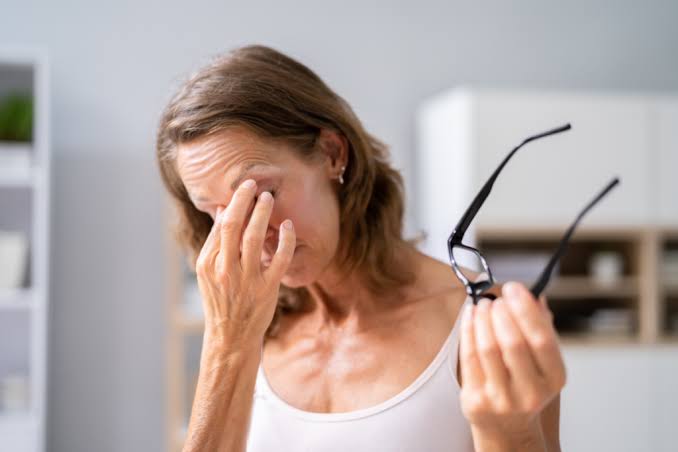
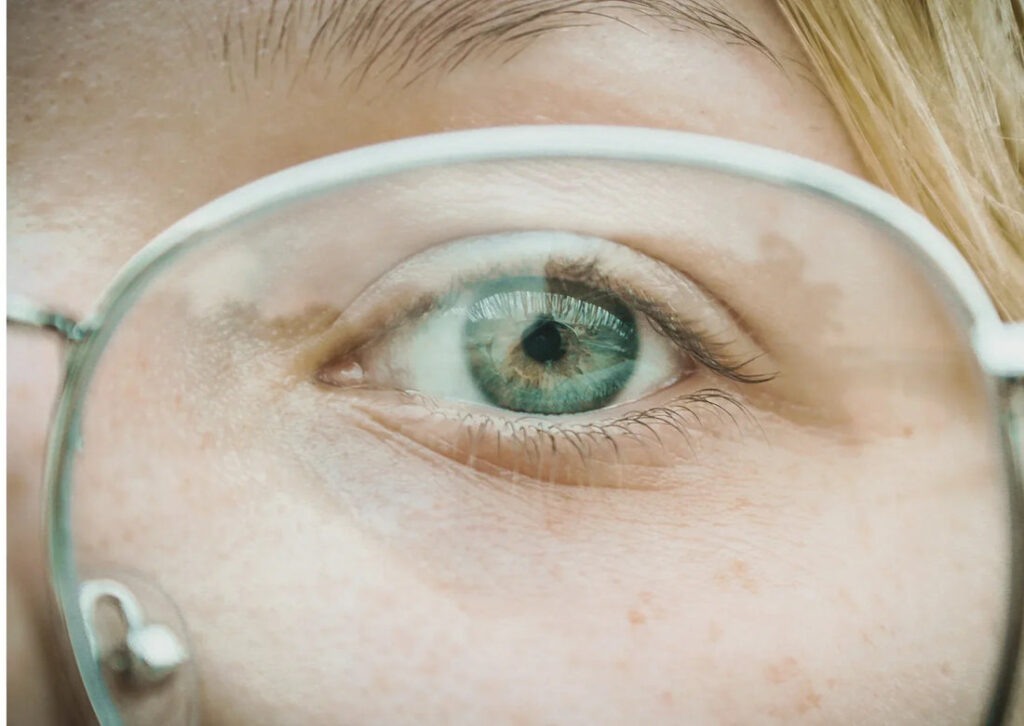
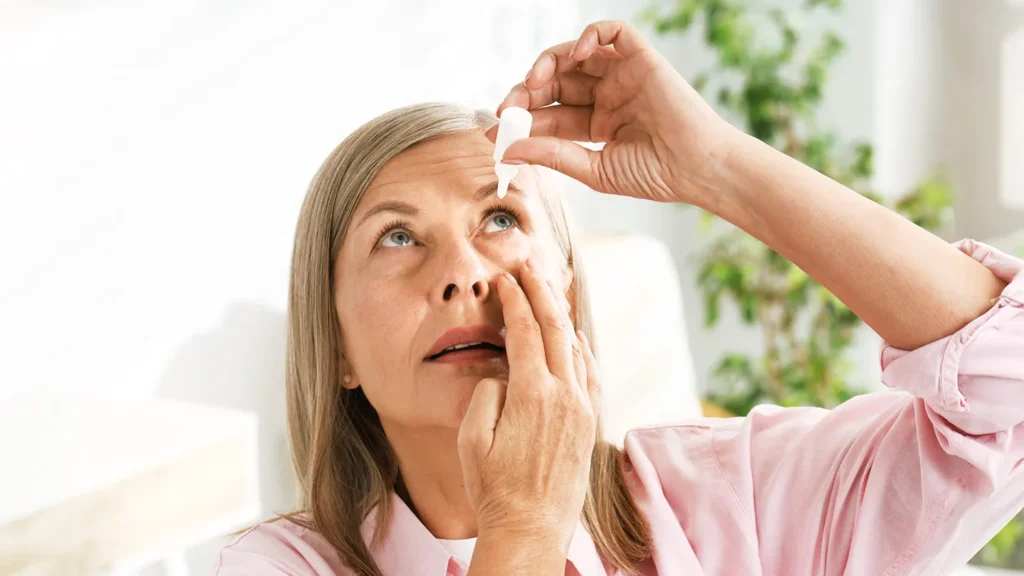
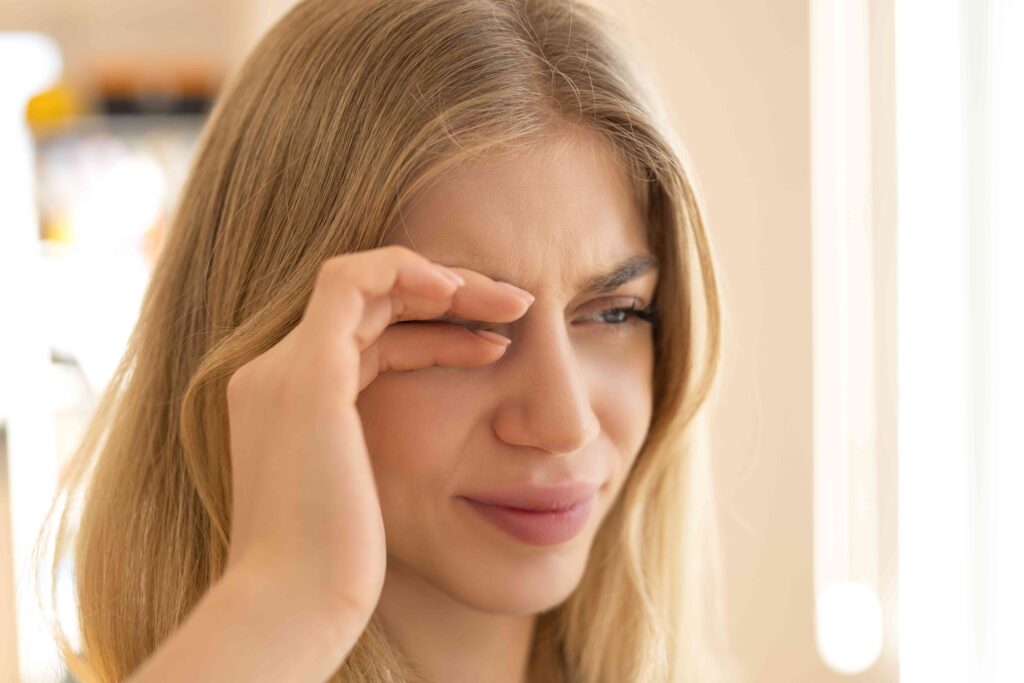
If you have started holding your phone a little farther away to read a message, or the restaurant menu suddenly looks blurry in dim light, you are not imagining it. This is one of the most common experiences women describe after turning 40, and it has a name: presbyopia.
As a specialist ophthalmologist, I hear the same worried question in my clinic almost every week: “Why can’t I read like I used to?” The good news is that presbyopia after 40 is completely normal, it is not a disease, and it is very manageable once you understand what is happening inside your eyes.
What Is Presbyopia?
Presbyopia is the gradual loss of your eye’s ability to focus on nearby objects. Inside every eye sits a natural lens that changes shape to shift focus between far and near. In our twenties and thirties this lens is soft and flexible. From around the age of 40, it slowly becomes stiffer, and the tiny muscles around it can no longer bend it as easily.
The result: reading small print, threading a needle, or checking your phone up close becomes harder, especially in low light or at the end of a tiring day.
Common Signs of Presbyopia After 40
- Holding books, menus, or your phone farther away to see clearly
- Blurry vision at your normal reading distance
- Headaches or eye strain after reading or close work
- Needing brighter light to read comfortably
- Tired eyes by the evening, especially after screen use
Why Does It Start Around 40?
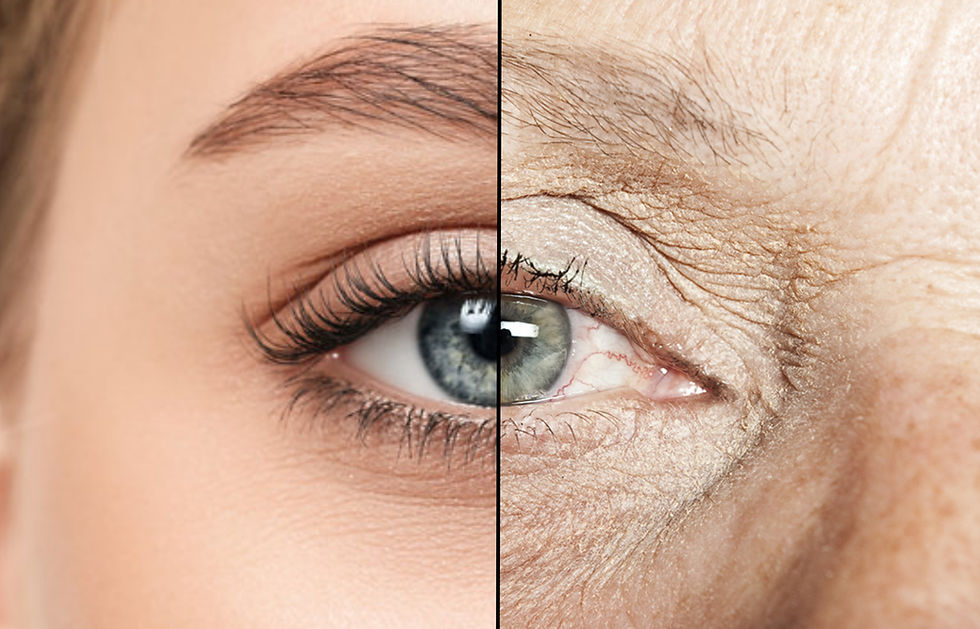
The stiffening of the lens is a natural aging process that begins years earlier, but it usually crosses the threshold where you notice it between 40 and 45. Hormonal changes during perimenopause can also affect the eyes at the same time, which is why many women notice dryness and focus changes together. If that sounds familiar, you may also want to read our guide on the five eye changes after 40 no one talks about.
Is Presbyopia Dangerous?
No. Presbyopia is not a disease and it does not mean your eyes are unhealthy. However, the years after 40 are also when other eye conditions can quietly begin, including glaucoma, early cataracts, and retinal changes. That is why the right response to new blurry vision is never to simply buy random reading glasses from a pharmacy shelf, but to have a proper eye examination first.
How Is Presbyopia Treated?
After a full eye exam, your ophthalmologist will recommend the option that fits your eyes and lifestyle:
- Prescription reading glasses tailored to your exact measurement
- Progressive or multifocal lenses that correct near and far vision in one pair
- Multifocal contact lenses for women who prefer not to wear glasses
- In selected cases, surgical or lens-based options after a specialist assessment
Needing glasses after 40 does not mean you are getting old. It means your eyes have worked hard for you for decades, and they deserve the right support now.
When Should You See an Eye Doctor?
If you have noticed any change in your near vision, book a comprehensive eye examination rather than guessing. A single visit can confirm presbyopia, rule out other conditions, and give you a prescription that actually matches your eyes. If you are in Dubai, you can book a consultation with Dr. Nermeen Amer, DHA-licensed specialist ophthalmologist, and get clear answers about your vision.
النسخة العربية
لو بقيتي تبعدي الموبايل عشان تعرفي تقري رسالة، أو المنيو في المطعم بقى مش واضح في الإضاءة الضعيفة، فإنتي مش لوحدك. ده من أكتر التغييرات اللي الستات بتلاحظها بعد الأربعين، واسمه قصر النظر الشيخوخي أو طول النظر الشيخوخي (Presbyopia).
يعني إيه قصر النظر الشيخوخي؟
جوه كل عين عدسة طبيعية بتغير شكلها عشان نشوف القريب والبعيد. في العشرينات والتلاتينات العدسة دي بتكون مرنة، لكن بعد الأربعين بتبدأ تقل مرونتها بالتدريج، فبيبقى صعب نركز على الحاجات القريبة زي القراءة والموبايل.
العلامات الشائعة بعد الأربعين
- تبعيد الكتاب أو الموبايل عشان تشوفي أوضح
- تشويش في الرؤية القريبة
- صداع أو إجهاد في العين بعد القراءة
- الاحتياج لإضاءة أقوى عشان تقري براحة
- تعب العين في آخر اليوم خصوصاً مع الشاشات
هل ده خطر؟
لأ، ده تغيير طبيعي تماماً ومش مرض. لكن مرحلة ما بعد الأربعين هي نفس المرحلة اللي ممكن تبدأ فيها مشاكل تانية زي الجلوكوما أو المياه البيضاء المبكرة من غير أعراض واضحة. عشان كده أهم نصيحة: متشتريش نضارة قراءة عشوائية من الصيدلية، واعملي فحص شامل للعين الأول.
العلاج
- نضارة قراءة بمقاس مضبوط بعد الفحص
- عدسات متعددة البؤر للقريب والبعيد في نضارة واحدة
- عدسات لاصقة متعددة البؤر لو مش بتحبي النضارة
- في حالات معينة، حلول جراحية بعد تقييم متخصص
النضارة مش معناها إنك كبرتي، معناها إن عينيكي اشتغلت وخدمتك سنين، ودلوقتي محتاجة دعم صح. لو لاحظتي أي تغيير في نظرك، احجزي فحص شامل مع د. نرمين عامر، أخصائية طب وجراحة العيون في دبي، وخدي إجابات واضحة عن عينيكي.